Preclinical Literature

BPC-157 Research: Mechanism, Tissue Repair, and CNS Findings

BPC-157 preclinical research across tendon, ligament, gut, nerve, and brain. VEGFR2 mechanism, musculoskeletal outcomes, gastrointestinal cytoprotection, and neurological data. Fully cited.

Neon wireframe abstraction of tissue repair and branching vessels
Abstract: neon wireframe tissue cross-section with glowing angiogenesis vessels — a visual metaphor for BPC-157's documented VEGFR2 upregulation pathway.

BPC-157 Mechanism of Action

BPC-157 activates at least three well-documented signaling cascades. Each has been confirmed in independent experiments with pharmacological blockade or pathway-specific inhibitors.

VEGFR2-Akt-eNOS axis

BPC-157 upregulates VEGFR2 on endothelial cells, driving angiogenesis via the downstream Akt-eNOS cascade. This produces new vasculature at injury sites — the proposed primary driver of accelerated tissue repair.

Src-Caveolin-1-eNOS axis

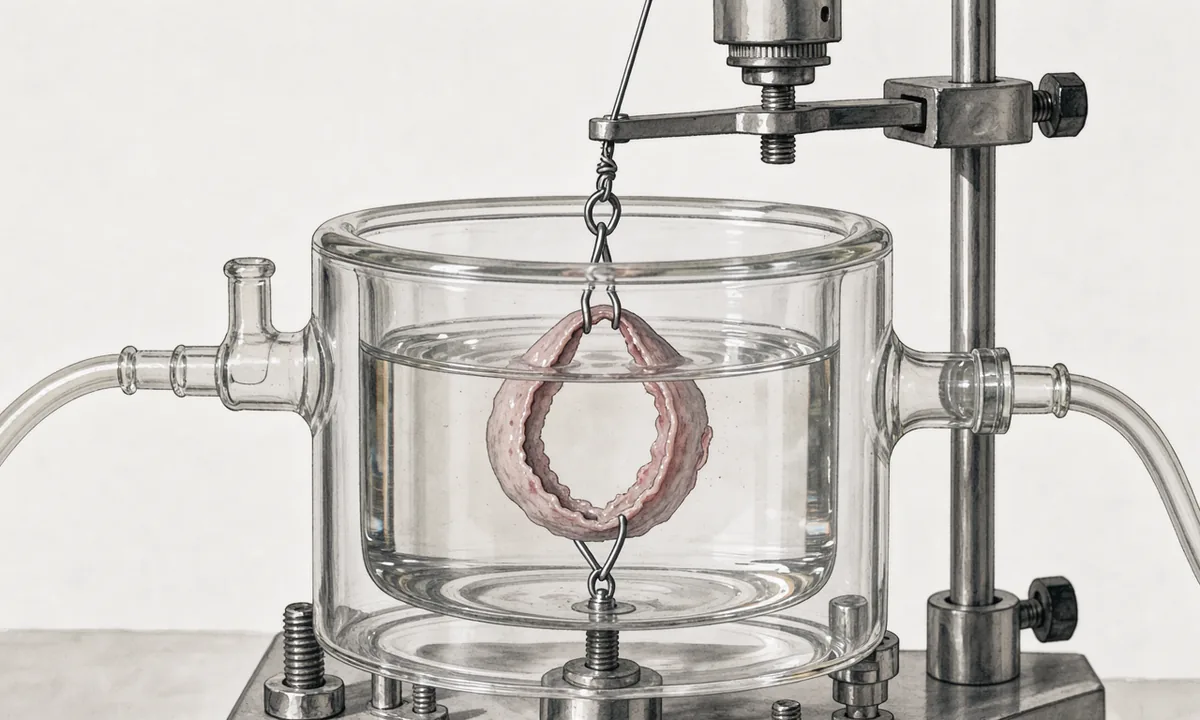
In isolated rat aortic rings and human umbilical vein endothelial cells, BPC-157 at 0.1–100 μg/mL produced concentration-dependent vasodilation. L-NAME (an NO synthesis inhibitor) and hemoglobin (an NO scavenger) both blocked this effect, confirming that nitric oxide is the downstream mediator. Src phosphorylation and Caveolin-1 phosphorylation were confirmed, releasing eNOS from the inhibitory complex [1].

Growth hormone receptor upregulation

In rat Achilles tendon fibroblast cultures, BPC-157 at 0.1–0.5 μg/mL for 1–3 days increased GHR mRNA and protein expression up to sevenfold. When growth hormone was added alongside BPC-157, cell viability increased significantly more than with either agent alone, and JAK2 phosphorylation was activated [2].

FAK-paxillin cell migration

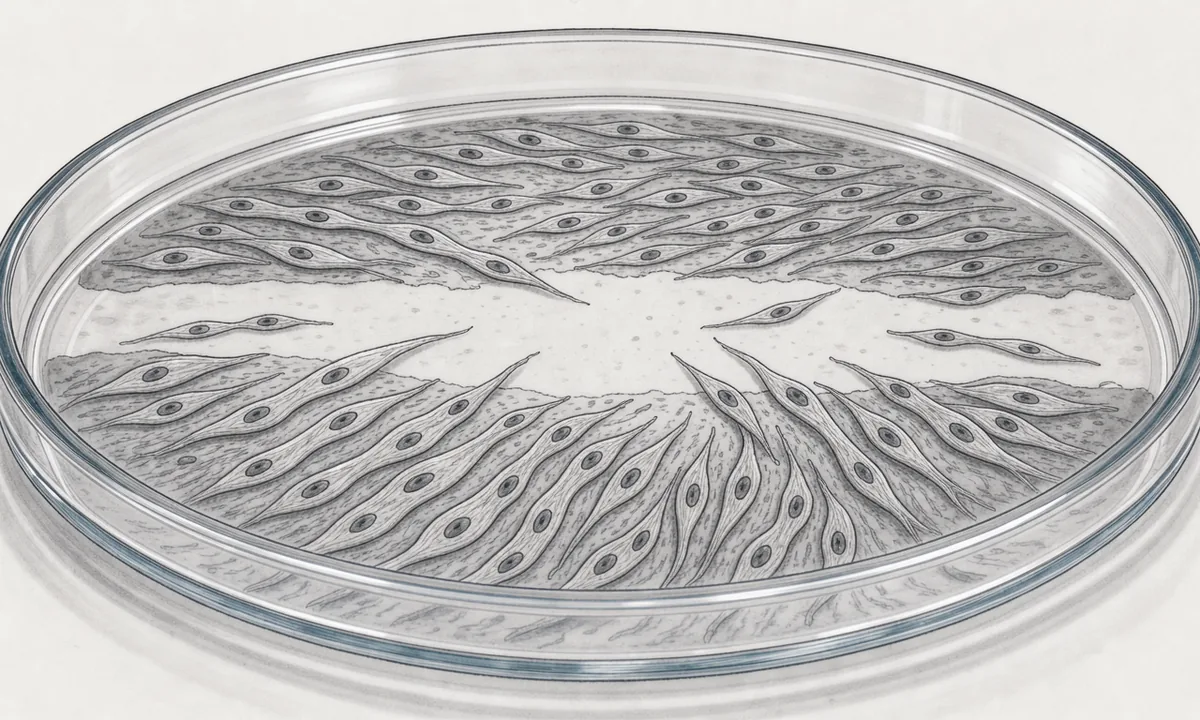
BPC-157 at 1–1000 ng/mL dose-dependently promoted tendon fibroblast migration in scratch-wound assays, with FAK-paxillin pathway identified as the mechanism. The same concentration range also promoted tendon explant outgrowth and improved cell survival under oxidative stress (H2O2 exposure) [3].

Additional documented interactions: JAK-2 / Egr-1 / NAB2 transcriptional cascades; selective 5-HT2A receptor modulation; bidirectional dopamine system normalization. The mechanistic picture is consistent with a compound that amplifies tissue-repair signaling at multiple nodes without being a simple agonist at any single receptor.

BPC-157 Tendon and Musculoskeletal Repair Research

The musculoskeletal literature is the most extensive in the BPC-157 record. Published models include Achilles tendon rupture, medial collateral ligament transection, anterior cruciate ligament repair, segmental bone defect, rotator cuff injury, and muscle crush and reattachment.

Achilles tendon

In a rat Achilles detachment-and-reattachment model, BPC-157 at 10 μg/kg, 10 ng/kg, and 10 pg/kg (intraperitoneal once daily from 30 minutes post-surgery) improved tendon-to-bone integration, Achilles Functional Index scores, and biomechanical parameters — load to failure, stiffness, and elasticity. BPC-157 also protected against methylprednisolone-induced healing impairment in the same model [4].

In a tendon explant and cell culture study, BPC-157 promoted outgrowth from tendon explants, enhanced fibroblast migration via FAK-paxillin, and increased cell survival under oxidative stress [3].

Ligament

In a rat medial collateral ligament transection model, BPC-157 at 10 μg/kg or 10 ng/kg improved ligament healing biomechanically, histologically, and functionally through 90 days — and the effect held across intraperitoneal, oral (drinking water), and topical cream routes [5].

Bone

In a rabbit segmental bone defect model, BPC-157 delivered via local intraosseous injection, intermittent IM, and continuous daily IM achieved complete radiographic bony continuity at 6 weeks in all treated animals, matching outcomes with bone marrow transplantation and autologous cortical grafting. All untreated controls showed incomplete healing [6].

Muscle-to-bone reattachment (2025)

In a rat surgical quadriceps detachment model, oral BPC-157 at 10 μg/kg/day or 10 ng/kg/day in drinking water restored full weight-bearing walking, eliminated joint contracture, reactivated periosteum at day 3, and produced well-organized bone-muscle contact (confirmed by ultrasound, MRI, and histology) at 3 months [7].

Is there evidence that BPC-157 facilitates muscle and tendon healing in research models? Thirty-plus published preclinical studies say yes. What injuries has BPC-157 been studied for in orthopaedic research? Achilles tendon, MCL, ACL, bone defect, muscle crush, and surgical detachment — all in rodent and rabbit models.

See the 2025 narrative review (McGuire et al.) for an independent synthesis: robust preclinical evidence across tissue types; three small uncontrolled human reports with no adverse events; no RCTs; investigational status warranted [8].

BPC-157 Research-Documented Benefits

The phrase "BPC-157 benefits" signals a search for what the compound has actually demonstrated across the literature. This section catalogs the documented research areas, each sourced.

  • Musculoskeletal tissue repair. Tendon, ligament, muscle, and bone healing accelerated across multiple injury models [3][4][5][6][7].
  • Gastrointestinal cytoprotection. Gastric and intestinal mucosal protection against NSAID-induced lesions, alcohol-induced damage, and inflammatory bowel disease models. Prevention, attenuation, and reversal all documented [9][10][11].
  • Wound healing. Skin incisions, excisions, deep burns, diabetic ulcers, alkali burns, and fistulas — all improved in rodent and mouse models. Mechanism: VEGFA and Nos3 gene upregulation, NO system engagement, and vascular collateral recruitment around occlusions [12].
  • Hepatoprotection. Liver protection against bile duct ligation, restraint stress, CCl4, NSAID toxicity, and alcohol-induced injury — superior to bromocriptine, amantadine, and somatostatin in the comparison arms [10][11].
  • Neuroprotection and nerve regeneration. Peripheral nerve regeneration after 7mm sciatic segment resection; spinal cord compression injury recovery sustained to day 360; reduced neuronal apoptosis and improved behavioral outcomes after traumatic brain injury [13][14].
  • Behavioral effects. Antidepressant-like effects in the Porsolt forced swimming test, equivalent to imipramine and nialamide; anxiolytic-like effects; bidirectional dopamine normalization [15][16].
  • Remote organ protection. Kidney, liver, and lung protection from remote organ damage in a lower-extremity ischemia-reperfusion model, with improved antioxidant markers (TAS, TOS, OSI, PON-1) [17].
No Human Data

What the literature does not contain: Phase III randomized controlled human trials. Human long-term safety data. FDA-approved indications. Every benefit above is preclinical unless explicitly noted.

BPC-157 and Gut Mucosa: Gastrointestinal Research

Does BPC-157 work for leaky gut and intestinal repair? The gastrointestinal literature is the second largest body of evidence in the record.

NSAID-induced damage

Diclofenac at 12.5 mg/kg x3 days in rats produced gastric and intestinal lesions, elevated AST/ALT, and brain edema. BPC-157 at 10 μg/kg and 10 ng/kg (intraperitoneal or oral at 0.16 μg/mL in drinking water) significantly reduced all endpoints — gastrointestinal lesions normalized, AST/ALT normalized, neurological damage reduced [9]. Multiple rodent studies document similar protection against aspirin- and indomethacin-induced ulceration. Can BPC-157 counteract NSAID-induced gastrointestinal damage? Multiple published models answer yes.

Alcohol-induced damage

In chronic alcohol-drinking Wistar rats, BPC-157 at 10 μg/kg or 10 ng/kg was administered prophylactically (before alcohol exposure), concurrently, and therapeutically (after lesion establishment). All three protocols worked — prevention of lesion development, attenuation of ongoing lesions, and reversal of existing lesions. The authors termed this "chronic cytoprotection." Liver and portal hypertension effects were also noted [11].

Hepatoprotection

Across three liver injury models (bile duct ligation, restraint stress, CCl4 administration), BPC-157 prevented necrosis and fatty changes, normalized bilirubin, SGOT, and SGPT, and outperformed bromocriptine, amantadine, and somatostatin in the comparison arms [10].

BPC-157 Research Outcomes: What Studies Report

The search query "BPC-157 before and after" is asking about measured outcomes. This section translates the published findings into a direct outcome summary.

  • Tendon and ligament models: Full load-to-failure restoration after Achilles transection; improved Achilles Functional Index scores; complete ligament continuity through 90 days post-MCL transection [4][5].
  • Bone healing: Complete bony continuity at 6 weeks in segmental bone defect models; outcome equivalent to bone marrow graft [6].
  • Gut mucosal protection: Normalization of gastric and intestinal lesion counts; AST/ALT normalized after diclofenac; gastric lesion reversal in chronic alcohol models [9][10][11].
  • Nerve regeneration: Full sciatic functional index recovery after 7mm nerve segment resection; increased myelinated fiber density and diameter [13].
  • Spinal cord: Resolved tail paralysis by day 15; reduced axonal loss and vacuolization at day 360 [14].
  • Behavioral: Reduced immobility in Porsolt forced swimming test at 4 and 6 days without tolerance [15].
  • Remote organ: Reduced kidney, liver, and lung histopathological damage scores after lower-extremity ischemia-reperfusion; improved systemic antioxidant profile [17].

Effect sizes are large in most rodent models. Reproducibility across models is the notable feature of this literature. What the literature does not provide is human data — no Phase III trials have been completed [8].

BPC-157 vs TB-500: Comparing the Research Profiles

What is the difference between BPC-157 and TB-500?

BPC-157: 15 amino acids. Derived from a protein in human gastric juice. Primary mechanisms: VEGFR2 angiogenesis, NO system modulation, GHR upregulation, FAK-paxillin migration. Studied in tendon, ligament, bone, gut, nerve, liver, and brain — a broad tissue-repair profile. Not USAN-named. Not scheduled by DEA. WADA-prohibited.

TB-500: Synthetic fragment of Thymosin Beta-4 (aa 17–23). Primary mechanism: actin polymerization and cytoskeletal remodeling via the G-actin sequestration pathway. Studied predominantly in musculoskeletal and cardiac injury models. Also WADA-prohibited.

The pathways are distinct and complementary. BPC-157 drives angiogenesis and NO-mediated tissue repair; TB-500 works on actin dynamics and cytoskeletal remodeling. Both have been studied separately in rodent musculoskeletal injury models. Combination protocols are described in the research literature, but formal combination efficacy studies are limited.

Clinically: neither has completed human trials. Neither is FDA-approved. TB-500 is also listed as prohibited by USADA, NFL, and UFC.

BPC-157 and Neurological Research: Anxiety and Depression Models

Does BPC-157 help with anxiety and depression in research models? The behavioral pharmacology literature provides a conditional yes in rodents.

In the Porsolt forced swimming test — the standard rodent antidepressant screen — BPC-157 at 10 μg/kg and 10 ng/kg (intraperitoneal) reduced immobility time equivalently to imipramine and nialamide. In a chronic unpredictable stress protocol, the effect persisted at 4 and 6 days with no sign of tolerance [15].

Does BPC-157 affect dopamine and serotonin pathways? Published data confirm it does. BPC-157 attenuates haloperidol-induced catalepsy (a dopamine blockade model) and antagonizes amphetamine-induced hypermotility (a dopamine overflow model) — a bidirectional normalizing effect on the dopamine system rather than a unidirectional agonist or antagonist action [16]. On the serotonin side, BPC-157 counteracted serotonin syndrome symptoms (hyperthermia, wet dog shakes) induced by pargyline + L-tryptophan — selectively modulating 5-HT2A receptor-dependent effects while leaving 5-HT1A-mediated responses unchanged [18].

The proposed substrate: peripheral BPC-157 administration triggers nigrostriatal serotonin release, connecting the gut-brain axis literature to the behavioral effects [19].

BPC-157 Neuroprotective and Nerve Repair Research

Can BPC-157 repair nerve damage? The peripheral nerve literature documents accelerated regeneration; the CNS literature documents neuroprotection.

Peripheral nerve

After a 7mm sciatic nerve segment resection in rats, BPC-157 at 10 μg/kg and 10 ng/kg (intraperitoneal, intragastric, local at the anastomosis, and local in nerve tubing) accelerated axonal regeneration. Measured outcomes: improved sciatic functional index walking recovery, increased myelinated fiber density and diameter, and uniform regeneration pattern across all route groups. No autotomy behavior [13].

Spinal cord

A single intraperitoneal injection of BPC-157 at 200 μg/kg or 2 μg/kg, administered 10 minutes after compression injury, produced consistent clinical improvement through day 360. Tail paralysis resolved by day 15. Histological analysis showed reduced vacuolization, axonal loss, edema, and motoneuron loss; myelinated axon counts improved [14].

Brain

Multiple traumatic brain injury models show reduced neuronal apoptosis and improved behavioral outcomes. Mechanisms proposed: NO modulation and anti-inflammatory signaling. BPC-157 also reversed cuprizone-induced encephalopathies and restored memory, locomotion, and coordination after carotid artery clamping in rats [19].

Does BPC-157 have neuroprotective effects after brain injury? In rodent models: yes. Human neuroprotective data does not exist.

BPC-157 and the Gut-Brain Axis

Does BPC-157 affect the gut-brain axis? The literature proposes an explicit mechanistic link.

When BPC-157 is administered peripherally (intraperitoneal or intragastric), it triggers serotonin release in nigrostriatal brain areas — a peripheral-to-CNS signaling event connecting the compound's gastric origin to its observed behavioral effects [19]. This is consistent with the gut-brain axis literature more broadly, where vagal afferents and portal-systemic signaling carry gastrointestinal chemical signals to CNS circuits.

BPC-157 also modulates dopaminergic pathways. In the CNS review, bidirectional dopamine normalization — reversing both haloperidol-induced catalepsy and amphetamine-induced hypermotility — suggests the compound acts on dopamine receptor sensitivity rather than as a simple agonist [16].

The mechanistic picture: a gastric-derived peptide that, when administered systemically, accesses both peripheral tissue-repair cascades and central neurotransmitter circuits. The gut-brain axis is a proposed framework for why a peptide with a gastric origin shows both gut-protective and CNS-behavioral effects in the same organism.

BPC-157 Cytoprotective Research: Drug-Induced Organ Damage

Does BPC-157 protect against drug-induced organ damage? Multiple published models say yes.

  • NSAID toxicity. Diclofenac 12.5 mg/kg x3 days produced GI lesions, hepatotoxicity (elevated AST/ALT), and brain edema in rats. BPC-157 at 10 μg/kg and 10 ng/kg significantly reduced all three [9].
  • Alcohol toxicity. BPC-157 reduced acute ethanol anesthesia duration, attenuated hypothermia, lowered 25% mortality, and attenuated withdrawal symptoms in mice at 10 pg, 10 ng, and 10 μg/kg [20].
  • Hepatoprotection. Across bile duct ligation, restraint stress, and CCl4 administration models in rats, BPC-157 prevented liver necrosis and fatty changes with superiority to bromocriptine, amantadine, and somatostatin [10].
  • Remote organ protection. In a rat lower-extremity ischemia-reperfusion model, BPC-157 reduced histopathological damage scores in kidney, liver, and lung. Antioxidant markers (TAS, TOS, OSI, PON-1) improved [17].

What should you not mix with BPC-157? No systematic drug-drug interaction studies have been conducted in humans. The preclinical literature notes protective interactions with NSAIDs and alcohol. Human pharmacokinetic interactions with common medications are unknown.

BPC-157 Human Clinical Evidence: Current State

Does BPC-157 have any human clinical trial data? A small amount.

BPC-157 was studied as PL 14736 (Pliva, Croatia) in early-phase inflammatory bowel disease trials. Safety and tolerability were reported, but formal RCT results were never published. A 2024 Phase I safety study in healthy volunteers was referenced in the literature at the time of this writing but had not been published in a peer-reviewed journal.

Three small uncontrolled human case reports have been published: knee injections, bladder injections, and IV infusion. All three reported no adverse events. None constituted an RCT.

The 2025 narrative review (McGuire et al.) — an independent, non-Zagreb group — reviewed 36 studies (1993–2024), found robust preclinical evidence, identified only three human reports, and concluded BPC-157 should be treated as investigational until well-designed human trials are conducted [8].

Is BPC-157 safe for use in humans? Human safety has not been established. Safety assessments are extrapolated from extensive rodent data showing low acute toxicity. Long-term human safety data does not exist.

A separate note on research concentration: over 80% of published BPC-157 studies originate from a single laboratory group at the University of Zagreb. Independent replication is limited. This is a legitimate methodological concern raised by the Jozwiak et al. 2025 literature review [21].